Decision Infrastructure for Risk–Emissions Convergence in Global Supply Chains
How DenderaTech enables companies to reduce emissions and operational risk through the same sourcing decisions.
Overview
Global supply chains are managed as separate problems—cost, risk, and emissions—despite being structurally linked. The same pathways that generate the highest emissions are also the most exposed to disruption, cost volatility, and regulatory pressure. As climate disclosure frameworks (TCFD, IFRS S2, GRI) accelerate, companies face growing pressure to act but lack systems to translate these signals into decisions.
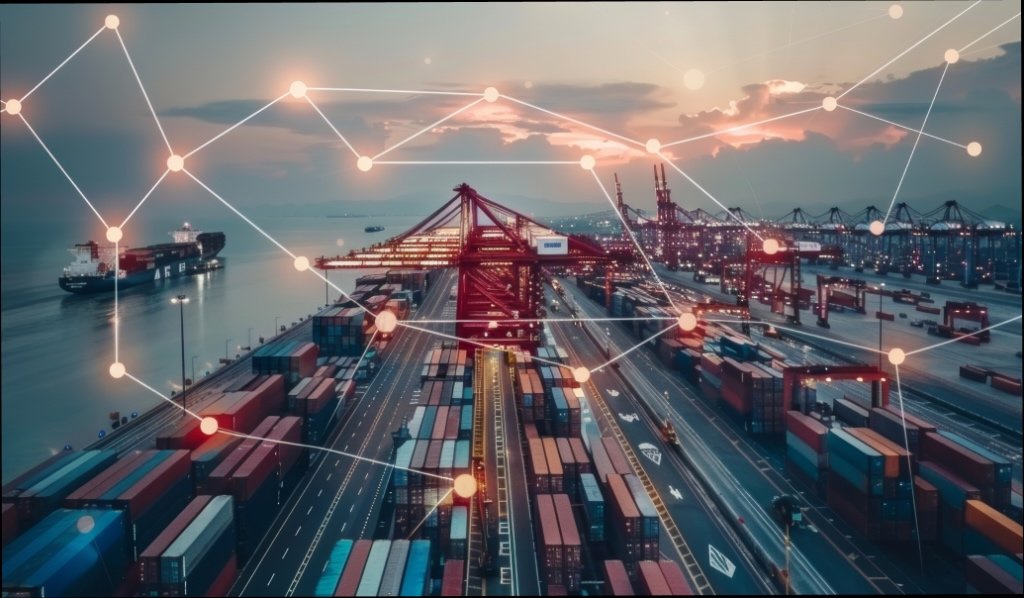
DenderaTech solves this by identifying and acting on “risk–emissions convergence,” enabling companies to reduce emissions and operational risk through the same sourcing decisions.
The Problem
- Supply chains drive the majority of corporate emissions (Scope 3), but emissions are not integrated into decision-making
- High-emission pathways (materials, manufacturing, global logistics) are also the most volatile and disruption-prone
- Existing tools provide monitoring and alerts, but not actionable decisions
- Enterprises face real financial exposure from delayed response to volatility

The Solution
DenderaTech is a real-time decision platform that integrates multiple risks:
- Global trade and tariff data
- Policy and geopolitical signals
- Macroeconomic indicators
- Climate hazard modeling (CLIMADA-style)
- Emissions structure (EXIOBASE / Scope 3 proxies)
The platform identifies “stressed pathways”—where emissions, risk, and cost overlap—and generates clear actions:
- Shift suppliers
- Reconfigure sourcing geography
- Adjust logistics routes
- Optimize timing
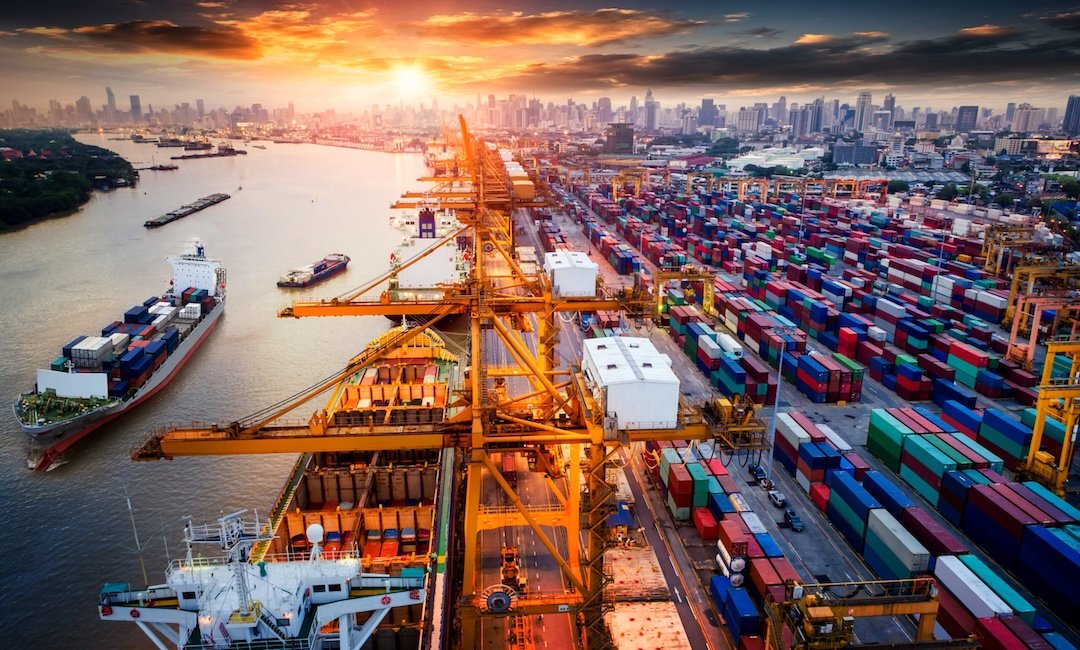
Core Innovation: Risk–Emissions Convergence
DenderaTech operationalizes a key system insight:
The highest-emission supply chain pathways are often the most exposed to disruption and volatility.
By mapping this convergence, the platform enables companies to:
- Reduce Scope 3 emissions
- Lower exposure to geopolitical and climate risk
- Stabilize cost under volatile conditions

Technology Stack
- Economic + Emissions Modeling: EXIOBASE (MRIO), LCA extensions
- Climate Hazard Layer: CLIMADA-style modeling (flood, heat, storm, drought exposure)
- AI / ML: Time-series forecasting, classification models, signal detection
- LLMs: Multi-language policy and signal extraction
- Optimization Engine: Scenario simulation + constrained sourcing decisions
- Infrastructure: Cloud-based pipelines with API integration into ERP/procurement systems
Output (What Clients Receive)
- Convergence Map: identifies high-risk, high-emission supply chain pathways
- Decision Reports: ranked sourcing shifts with cost, risk, and emissions impact
- Scenario Engine: simulate shocks (oil, tariffs, climate events) and optimal responses
Market & Customers
- Large enterprises with global supply chains
- Procurement, strategy, and risk teams
- Organizations under pressure to manage Scope 3 emissions and volatility

Business Model
- Enterprise SaaS (tiered subscriptions)
- Premium features: scenario modeling, API integration, enterprise deployment
- Expansion into:
- insurance-linked products (dynamic risk pricing)
- climate finance / resilience incentives
- data licensing
Traction
- Validated with enterprise stakeholders facing significant losses from volatility
- Observed case: ~$12M/week exposure due to delayed sourcing decisions
- Strong demand for decision-oriented outputs over traditional analytics
- Growing pipeline of enterprise engagement
Competitive Advantage
|
Existing Solutions
|
DenderaTech
|
|---|---|
|
Monitoring + alerts
|
Decision engine
|
|
Risk OR emissions
|
Risk + emissions convergence
|
|
Static analysis
|
Real-time action
|
|
Insight
|
Execution
|